
Blog
What Is SEO and How Does It Impact Your Business?

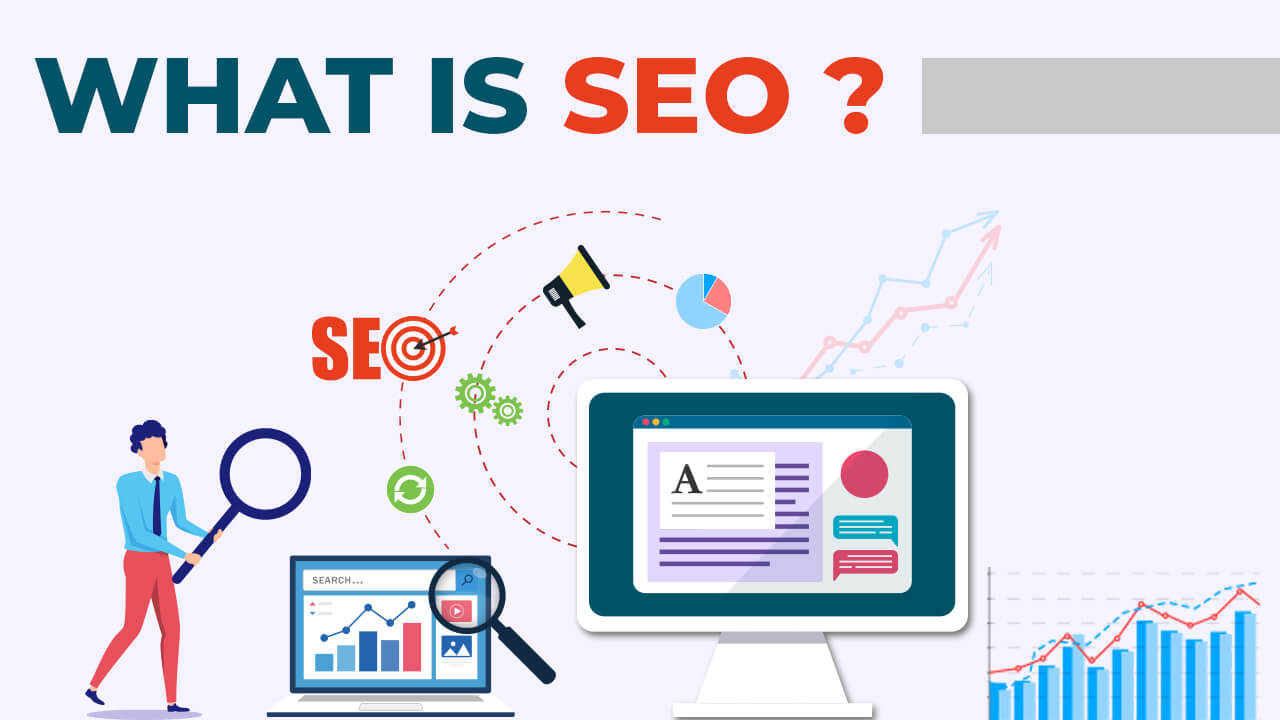
In today’s digital world, having an online presence is no longer optional—it’s essential. Whether you run a small local shop or a large e-commerce brand, your customers are searching for products and services online. But simply having a website is not enough. The real challenge is getting your website in front of the right audience. This is where Search Engine Optimization (SEO) plays a crucial role.
SEO is one of the most powerful digital marketing strategies that helps businesses grow organically, build trust, and generate long-term revenue. In this article, we will explore what SEO is, how it works, and how it impacts your business success.
What Is SEO?
Search Engine Optimization (SEO) is the process of improving your website so that it ranks higher on search engines like Google, Bing, and Yahoo. The higher your website appears in search results, the more likely people are to visit it.
SEO focuses on optimizing different elements of your website, including:
- Content
- Keywords
- Website structure
- Backlinks
- User experience
The main goal of SEO is to increase organic traffic, which means visitors coming to your website without paid advertisements.
How Search Engines Work
To understand SEO better, you need to know how search engines work. Search engines follow three main steps:
1. Crawling
Search engines use bots (also known as spiders) to scan websites and discover new pages.
2. Indexing
Once a page is found, it is stored in a database called an index.
3. Ranking
When a user searches for something, search engines display the most relevant results based on ranking factors.
SEO helps your website perform better in all these stages.
Types of SEO
SEO is not just one thing—it includes several different strategies:
1. On-Page SEO
This involves optimizing content and elements on your website, such as:
- Keywords
- Meta titles and descriptions
- Headings
- Internal linking
2. Off-Page SEO
This focuses on building your website’s authority through:
- Backlinks
- Social signals
- Brand mentions
3. Technical SEO
This ensures your website works properly by improving:
- Site speed
- Mobile-friendliness
- Security (HTTPS)
- XML sitemaps
4. Local SEO
Local SEO helps businesses appear in local search results, such as:
- “Best digital marketing institute near me”
- “Restaurants in Lahore”
Importance of SEO for Businesses
SEO is not just about ranking higher—it directly impacts your business growth. Let’s explore how:
1. Increases Website Traffic
The higher your website ranks on search engines, the more clicks you get. Most users never go beyond the first page of Google, so ranking in top positions is critical.
More traffic means:
- More potential customers
- More leads
- More sales opportunities
2. Builds Brand Credibility and Trust
Users trust search engines. If your website appears at the top, people automatically consider your business reliable and authoritative.
SEO helps build trust through:
- High-quality content
- Strong backlinks
- Positive user experience
3. Cost-Effective Marketing Strategy
Unlike paid ads, SEO does not require continuous spending. Once your website ranks well, it can bring traffic for months or even years.
This makes SEO:
- Affordable
- Long-term
- High return on investment (ROI)
4. Targets the Right Audience
SEO focuses on keywords that your potential customers are already searching for.
For example:
If someone searches “best SEO course in Lahore,” they already have intent to learn. If your website appears, you attract a highly targeted audience.
5. Improves User Experience
Google ranks websites that provide a good user experience. SEO helps improve:
- Page speed
- Mobile design
- Easy navigation
- Content readability
A better user experience leads to:
- Lower bounce rates
- Higher engagement
- More conversions
6. Boosts Conversion Rates
SEO brings users who are actively searching for your product or service. This increases the chances of converting visitors into customers.
For example:
- A user searching “buy wedding dresses online” is more likely to purchase than someone just browsing.
7. Helps You Compete with Larger Businesses
Even small businesses can compete with big brands using SEO. By targeting specific keywords and niches, you can rank higher and attract customers.
8. Supports Other Marketing Channels
SEO works well with other strategies like:
- Content marketing
- Social media marketing
- Email marketing
For example, a well-optimized blog post can be shared on social media and bring even more traffic.
Key Elements of SEO
To understand how SEO impacts your business, let’s look at its core components:
1. Keyword Research
Keywords are the foundation of SEO. You must find what your audience is searching for.
Types of keywords:
- Short-tail (e.g., “SEO”)
- Long-tail (e.g., “best SEO course for beginners in Pakistan”)
2. Quality Content
Content is king in SEO. Your content should be:
- Informative
- Engaging
- Relevant
- Updated regularly
Google prioritizes websites that provide value to users.
3. Backlinks
Backlinks are links from other websites to your site. They act as votes of trust.
High-quality backlinks:
- Improve rankings
- Increase authority
- Drive referral traffic
4. Mobile Optimization
Most users browse on mobile devices. If your website is not mobile-friendly, you will lose traffic.
5. Page Speed
Slow websites frustrate users and reduce rankings. Fast-loading pages improve user experience and SEO performance.
Common SEO Mistakes to Avoid
While SEO is powerful, many businesses make mistakes that hurt their rankings:
- Keyword stuffing
- Duplicate content
- Ignoring mobile optimization
- Buying low-quality backlinks
- Not updating content
Avoiding these mistakes ensures long-term success.
How SEO Impacts Different Types of Businesses
1. E-commerce Businesses
SEO helps online stores:
- Rank product pages
- Increase organic sales
- Reduce dependency on ads
2. Local Businesses
Local SEO helps businesses:
- Appear in Google Maps
- Attract nearby customers
- Increase foot traffic
3. Service-Based Businesses
SEO helps service providers:
- Generate leads
- Build authority
- Showcase expertise
4. Educational Institutes
Institutes offering courses (like digital marketing training) can:
- Attract students through search
- Promote courses effectively
- Build brand reputation
Future of SEO
SEO is constantly evolving. Some future trends include:
- Voice search optimization
- AI-based search algorithms
- Video SEO
- User intent-focused content
Businesses that adapt to these changes will stay ahead of the competition.
Conclusion
SEO is not just a marketing tactic—it is a long-term investment in your business growth. It helps you reach the right audience, build trust, and generate consistent traffic without relying heavily on paid ads.
Whether you are running an e-commerce store, a blog, or a service-based business, SEO can significantly impact your success. By focusing on quality content, proper optimization, and user experience, you can achieve higher rankings and grow your business effectively.
In a competitive online world, ignoring SEO means missing out on valuable opportunities. Start optimizing your website today and take your business to the next level.